
Poland in April: tips for making the most of your spring in Poland

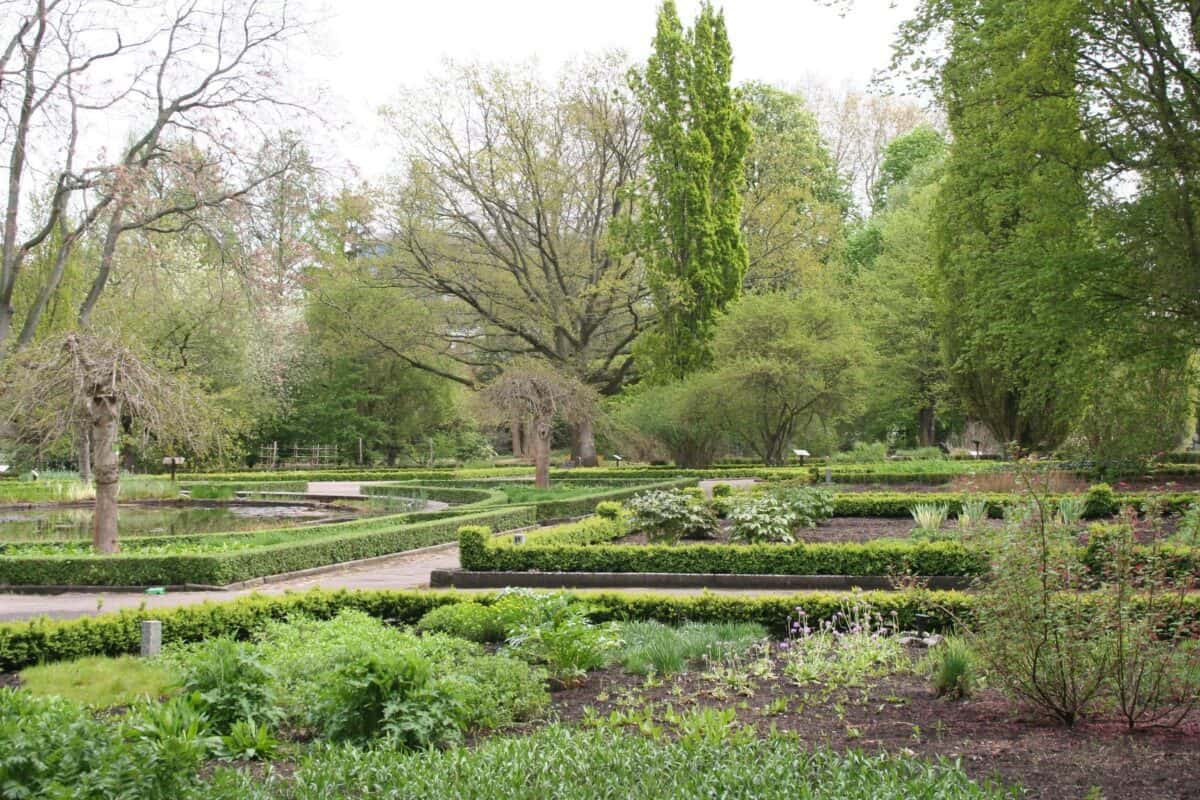
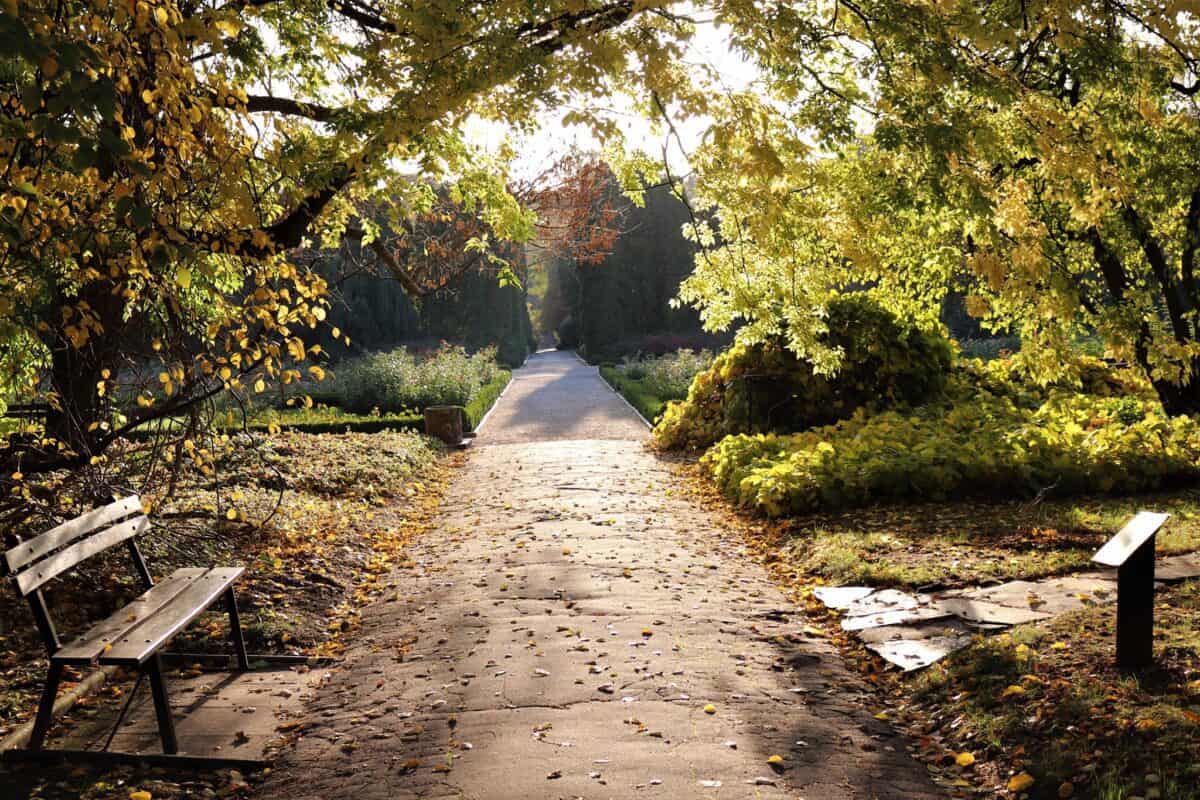
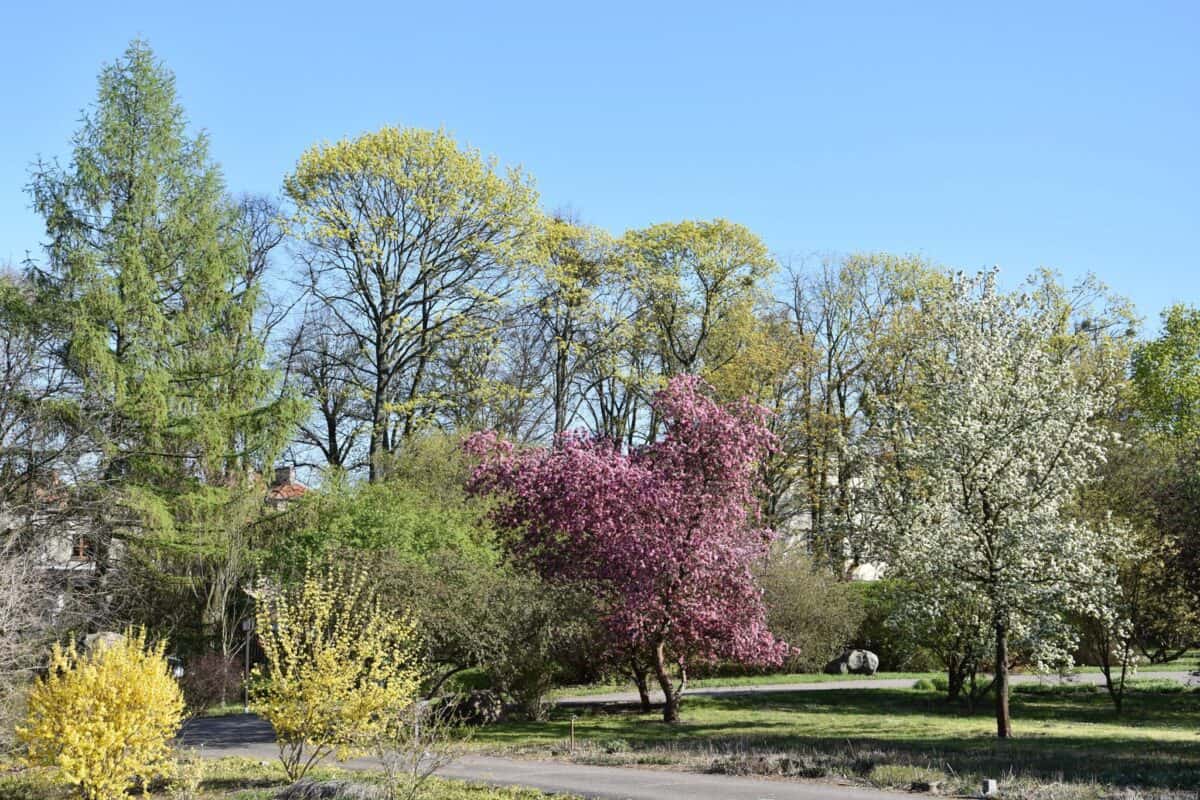
Spring and April is a great time to admire and observe nature in Poland waking up to life. Where to see nature’s blooming beauty in Poland? There are many wonderful parks in Poland, and botanical gardens are the largest and most diverse oases of nature. The botanical gardens in Poland are run by universities and scientific research institutes and include a wide range of collections of plants – both Polish ones as well as plants from other countries, including exotic ones. Below you will find some examples of botanical gardens in Poland, check our post Botanical gardens in Poland to find the botanical garden closest to your home. One of the most beautiful places in Poznań and a favorite destination of Poznanians for weekend family walks. It’s a nice place for rest and education – you will see here many species of plants from various parts of the world, both popular and rare, and even threatened with extinction. The Botanical Garden is open every day, admission is free. Photo source: Ogród Botaniczny Uniwersytetu im. Adama Mickiewicza The Silesian Botanical Garden (Śląski Ogród Botaniczny w Mikołowie) is located 20 km from Katowice, on the hills and glacial moraines of a huge area of 100 ha! It has become a green showcase of the industrialized Silesia region. The Garden is open all year round. The current opening hours can be found on the Garden’s home page. Photo source: Śląski Ogród Botaniczny w Mikołowie The Arboretum Forest Educational Center in Rogów – established in 1923 – is one of the biggest (over 50 hectares) botanical gardens in Poland, run by the Warsaw University of Life Sciences. It is located in Łódź voivodship, 40 km from Łódź and 100 km from Warsaw. Opening hours change every month and have recently changed even more frequently due to the pandemic. The current opening hours can be found on the Garden’s website (only on the Polish language version), on the left side: “Aktualne godziny otwarcia Arboretum”. Photo source: Arboretum SGGW w Rogowie
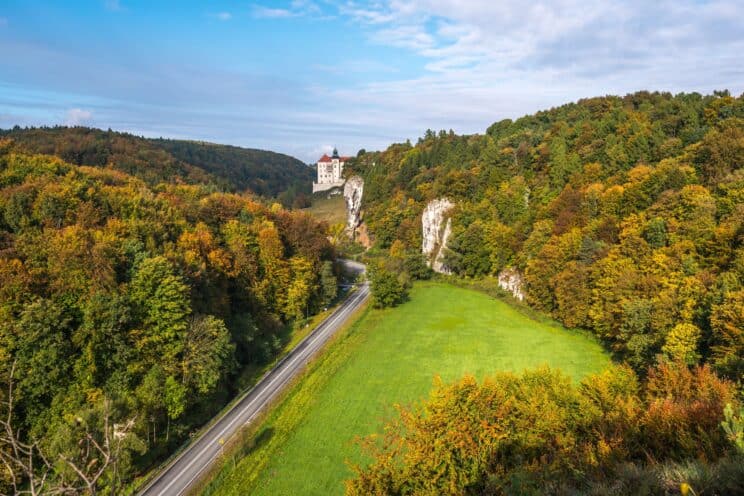
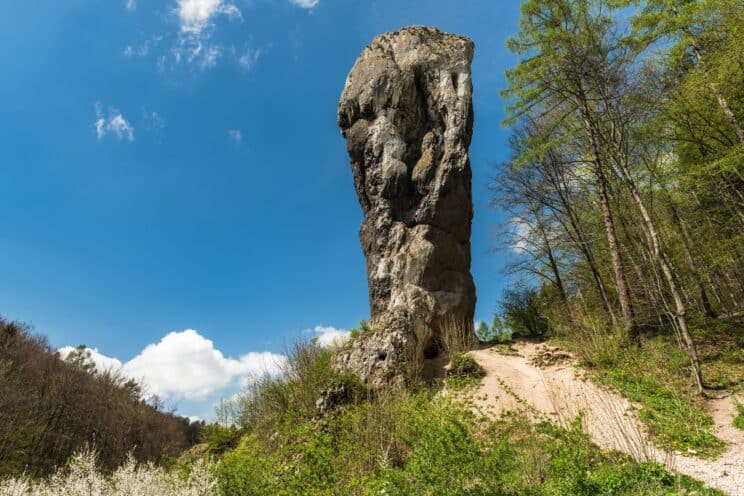
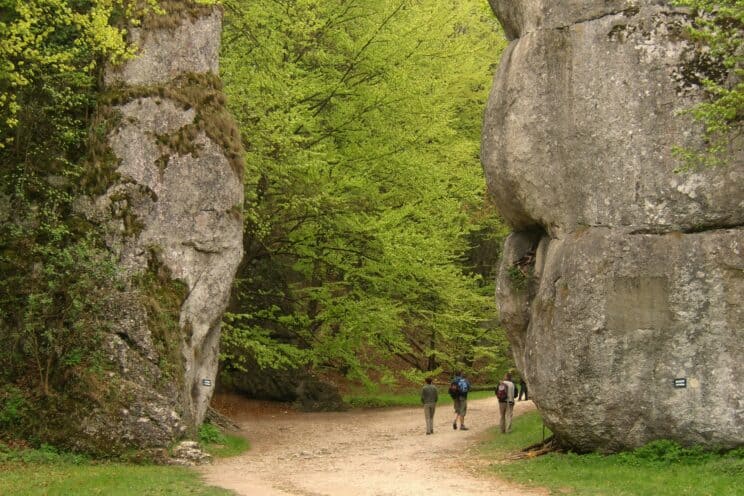
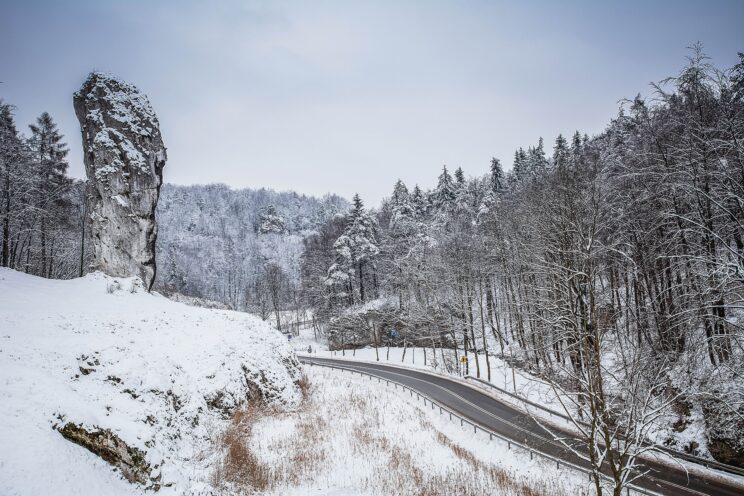
National parks in Poland contain many of the most treasured landscapes, from the majestic mountain ranges to the beaches, ancient forests, lush green valleys. It’s tough to choose which natural wonders in Poland you should visit first. If you’re a lover of the outdoors and fancy yourself as a bit of a discoverer, these selected destinations in Poland should be on your travel bucket list. Some of the national parks in Poland are located close to big cities, so you can go there without staying overnight – for a day trip. The Słowiński National Park located along the Baltic coast – mobile sand dunes, lakes, wetlands, and forests by the sea Słowiński National Park (Słowiński Park Narodowy) is located in the north of Poland (the Pomeranian Province), in the central part of the Polish sea coast, 100 km from the city of Gdańsk. The most popular tourist destinations within the Park include Rowy, Łeba, Smołdzino. The biggest attraction of the Park, unique in Europe, is the desert dune landscape. The mobile dunes are huge – they can reach a height of over 30 meters. The dunes, constantly moving, change the landscape, covering trees and paths with sand. The Ojcowski National Park near Kraków – caves, two castles, hiking trails The Ojcowski National Park (Ojcowski Park Narodowy) is located in southern Poland, 20 km north of the city of Kraków. It is the smallest of the Polish national parks and very charming. The Park covers the picturesque valley of the Prądnik River. There are many caves and grottos in the area of the Park, two of which are open to tourists from April to October: Łokietek Grotto (Grota Łokietka) and Ciemna Cave (Jaskinia Ciemna). These caves are closed for the winter season due to the protection of bats. The symbol of the Park is the bat that lives in the caves – there are 17 species of bats in the Park. In addition to walking and natural attractions in the Park, you can visit the ruins of a medieval castle in the village of Ojców or the renaissance castle – Zamek Pieskowa Skała.
April in Poland has a similar saying as March (‘Kwiecień plecień, bo przeplata – trochę zimy trochę lata‘ – April interweaves a little bit of winter and a little bit of summer), however, with the climate change, April in Poland is relatively warm and considered (along with May) by many people as the most beautiful time of year in Poland. An average monthly temperature in April in Poland is 8,5°C / 47.3°F and the average monthly rainfall level is 37,3 mm (the second-lowest after February). Read more about the weather and changes in nature in Poland in spring.
In April 2021, there is one shopping Sunday in Poland: April 25. April 4, 11, and 18 are trade ban Sundays in Poland. Click here to read our post about shopping Sundays in Poland in 2021. Read our post with the list of online stores in Warsaw and other cities in Poland delivering groceries to home.
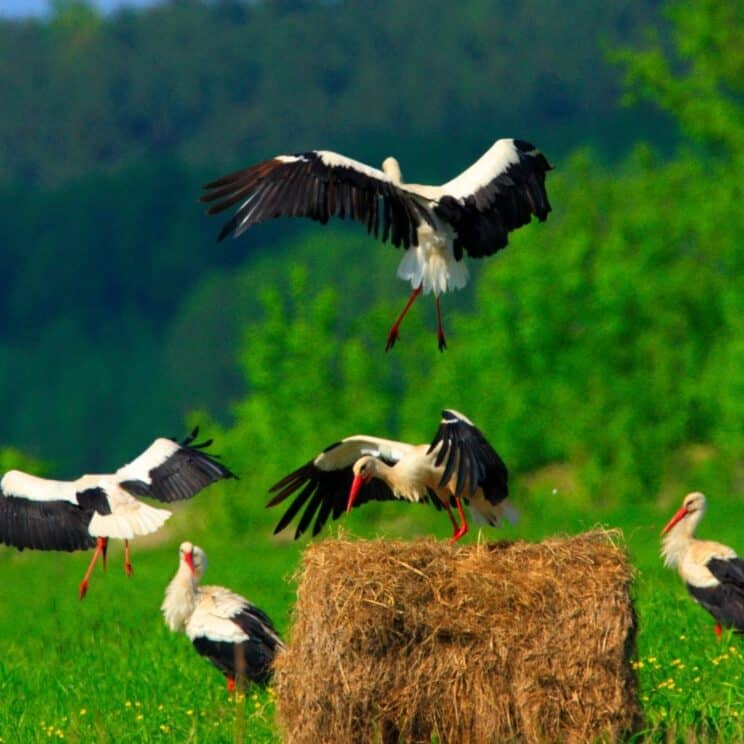
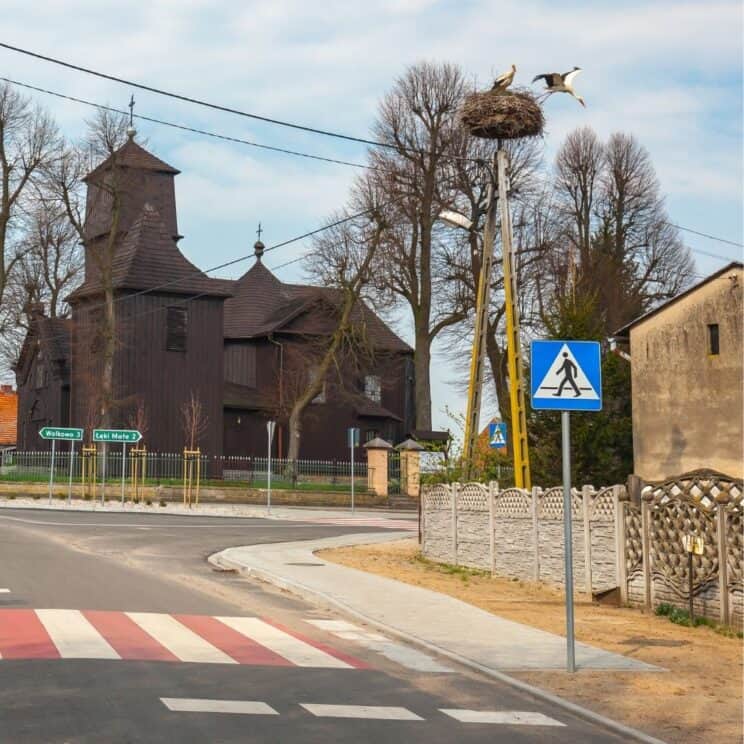
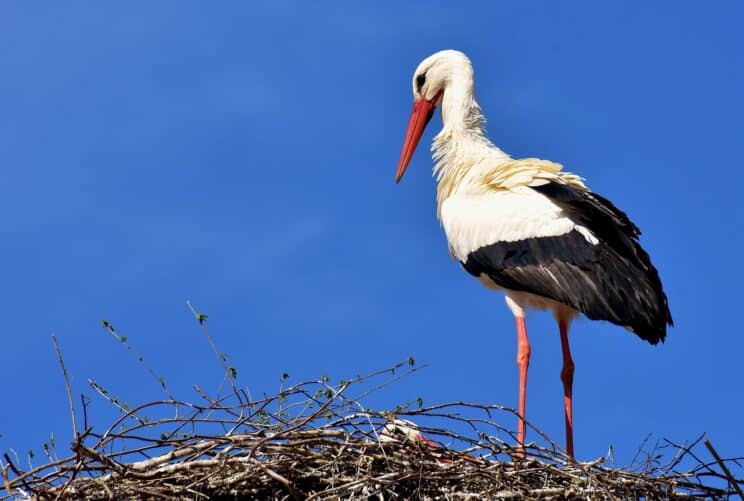
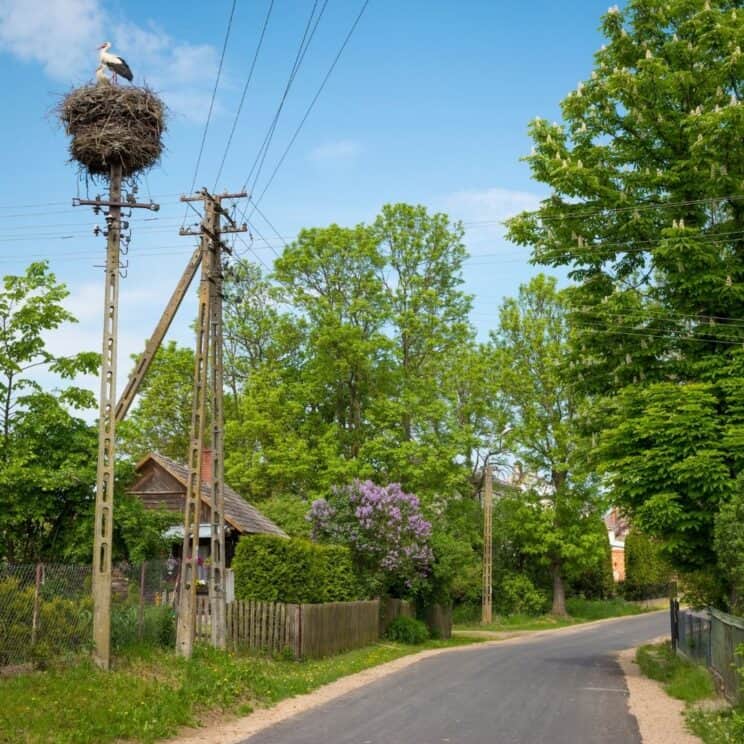
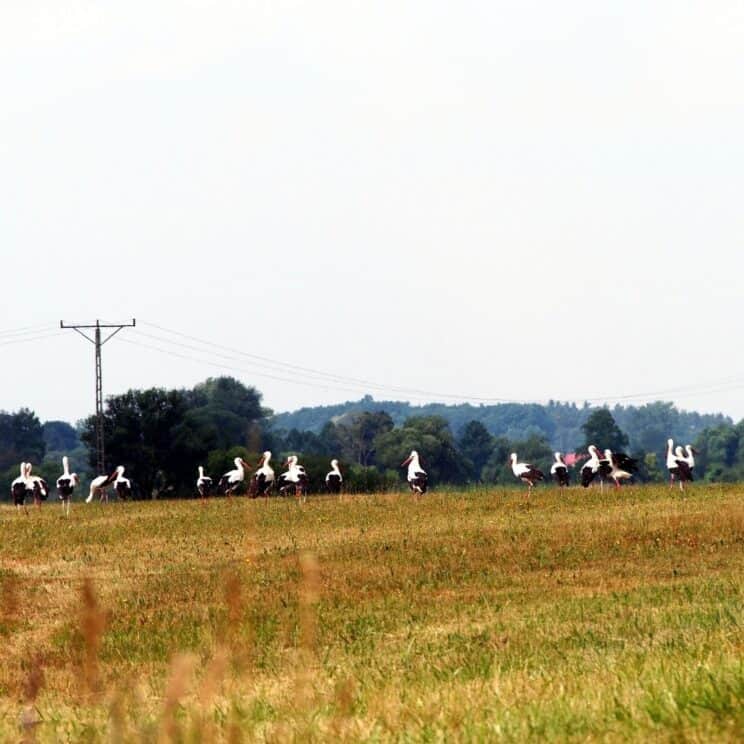
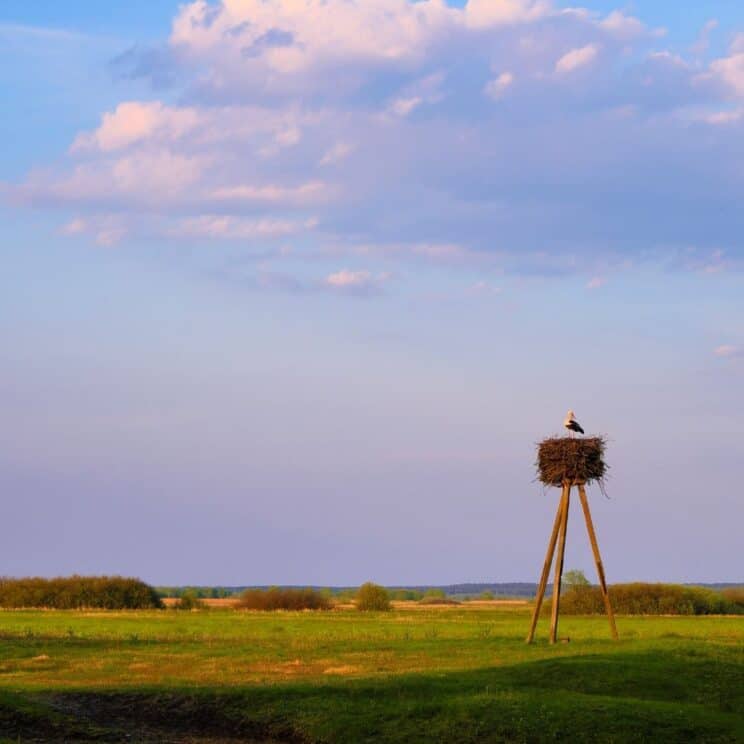
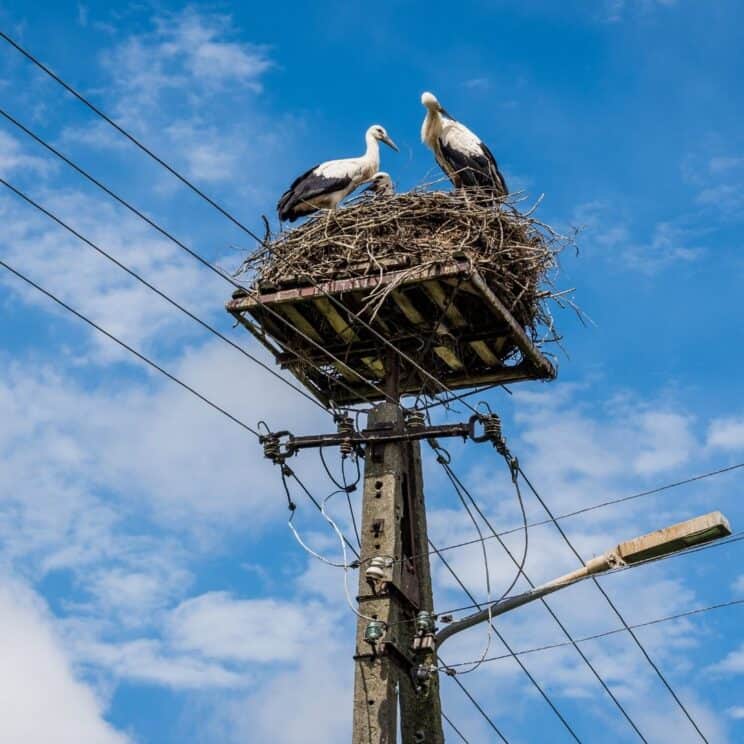
April Fools’ Day (Prima Aprilis) Good Friday (Wielki Piątek) Holy Saturday (Wielka Sobota) Easter Day (Wielkanoc) Easter Monday (Poniedziałek Wielkanocny), “Wet Monday” (Lany Poniedziałek) Anniversary of the Warsaw Ghetto Uprising (1943) and the Daffodils Campaign It’s April when over 40,000 white storks (in Polish: bocian) arrive from Africa to Poland (20% of their world population). Shortly after arrival they are improving their old nests or are starting to build new ones. The stork inhabits all of Poland, except for the mountain ranges. The northeastern part of the country is populated very densely. Storks spend around 5 months in Poland after which – about mid-August – they fly away to wintering grounds in Africa. Observation of storks in Poland is not difficult at all and does not require binoculars or great patience, as in the case of birdwatching of rare species. While driving along the streets of Polish villages, you will notice stork nests on poles or roofs of houses. In spring and summer meadows and fields in Poland, you can spot storks looking for food. It is also not uncommon to see a stork in full flight. Find out more in our posts to stay up to date: Subscribe to our monthly newsletters in English to explore Poland and to learn about Poland! Once a month you will receive a Newsletter: ‘Explore Poland with Kids‘. You will find there family-friendly destinations in Poland – beautiful places in Poland worth visiting with children – from city break destinations to hiking in the mountains (lots of practical tips!); things you can’t miss in Poland in a given month; dates to remember, holidays, observances in Poland in a given month so you can mark your calendars accordingly.
Botanical gardens in Poland to visit in April
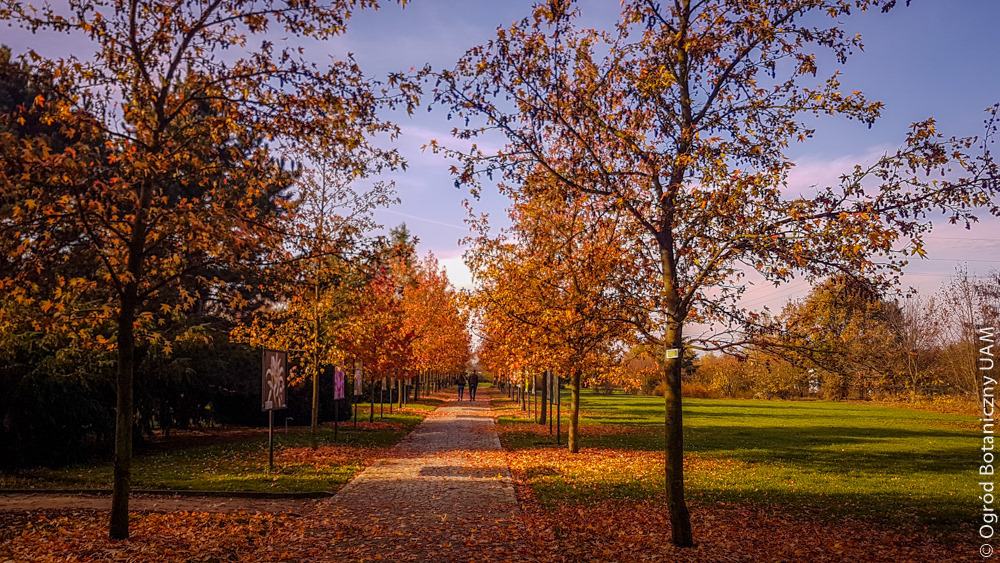
The Botanical Garden in POZNAŃ
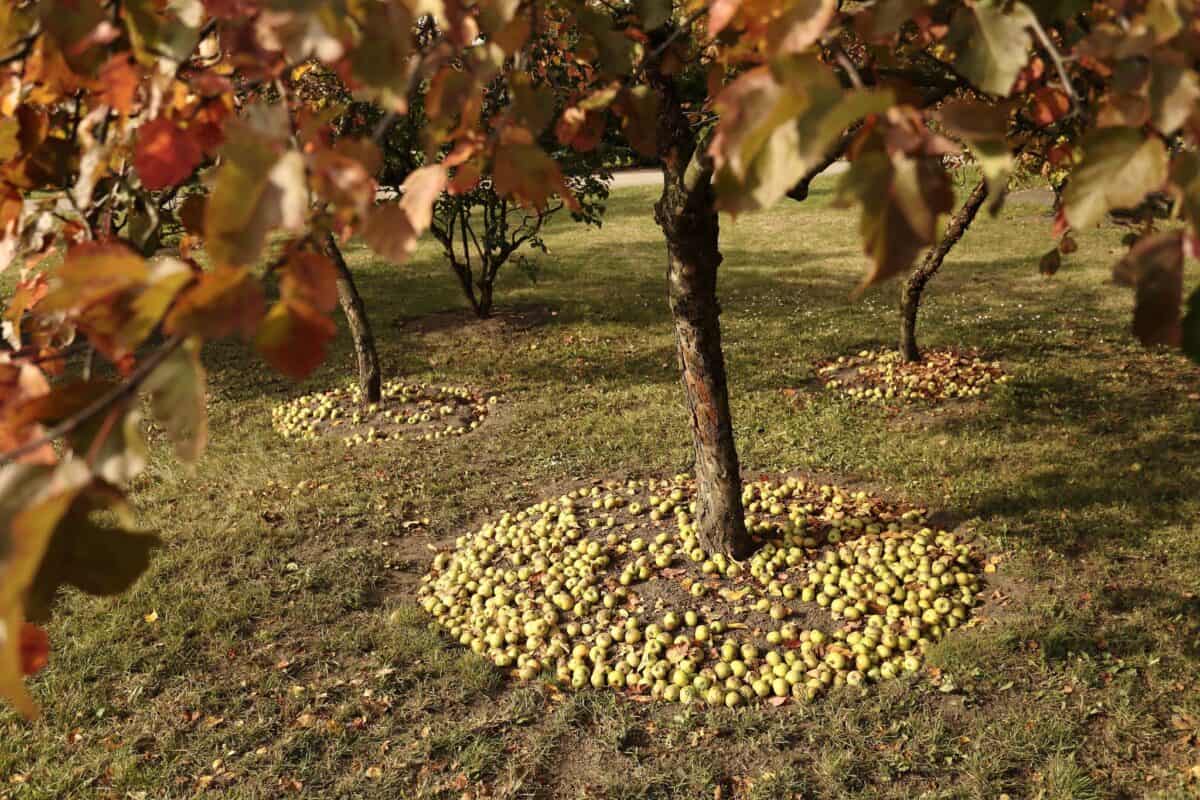
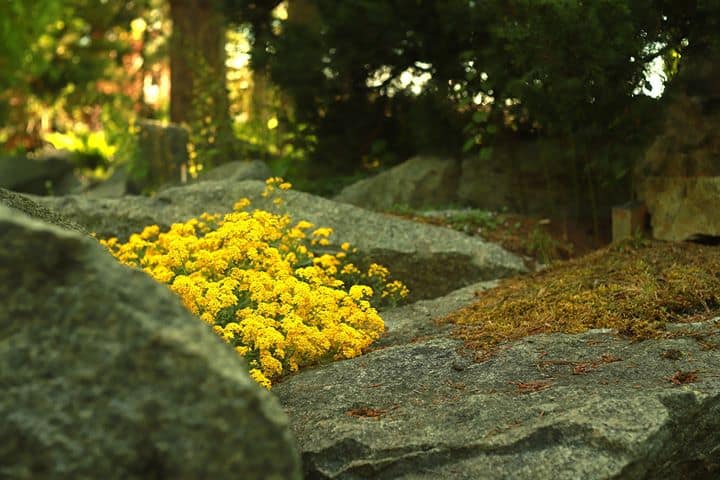
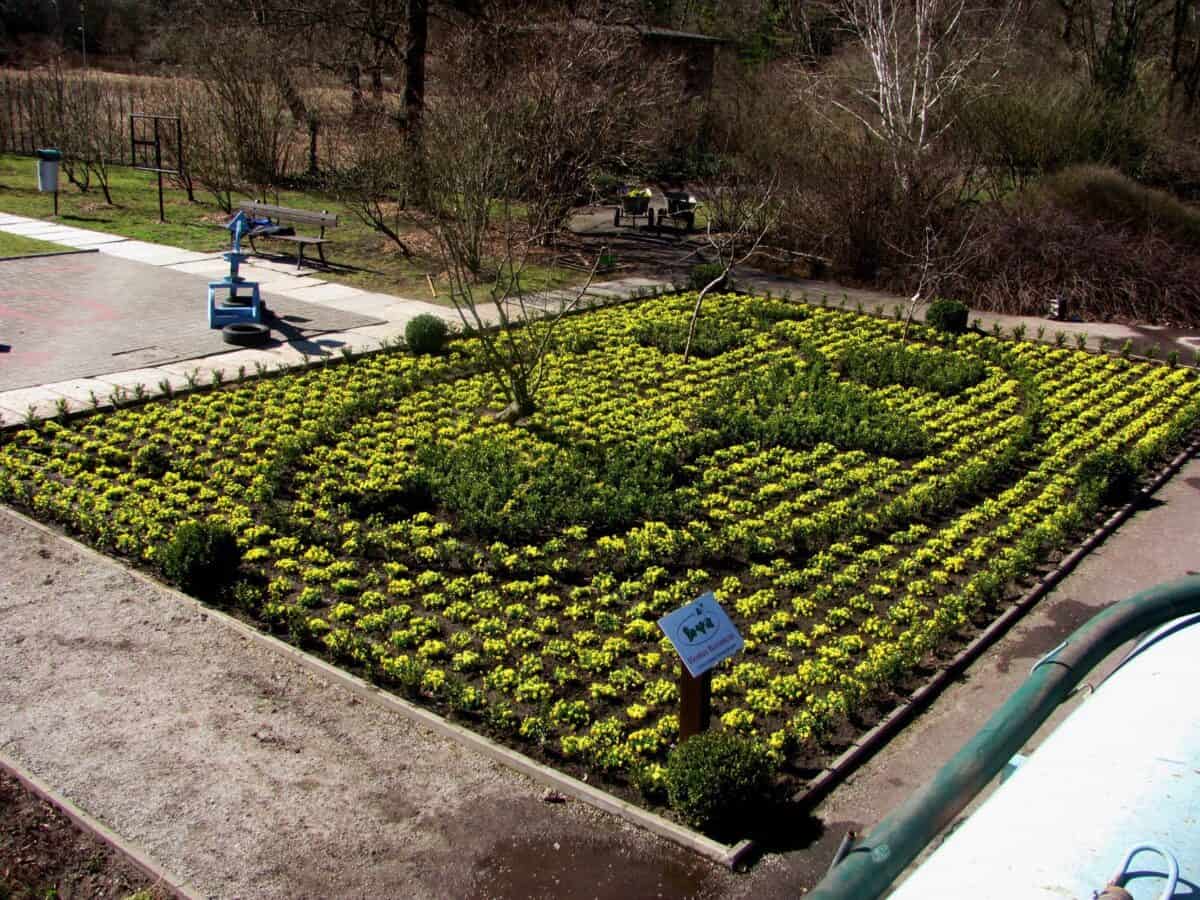
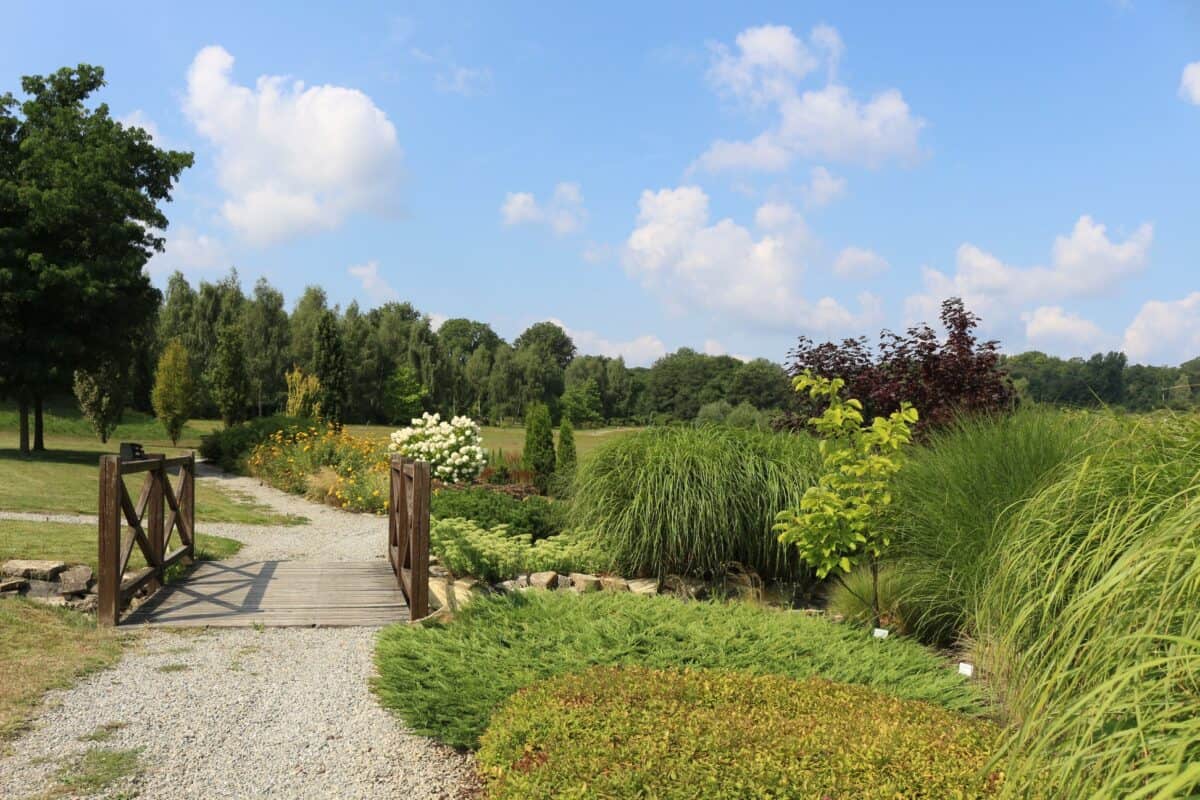
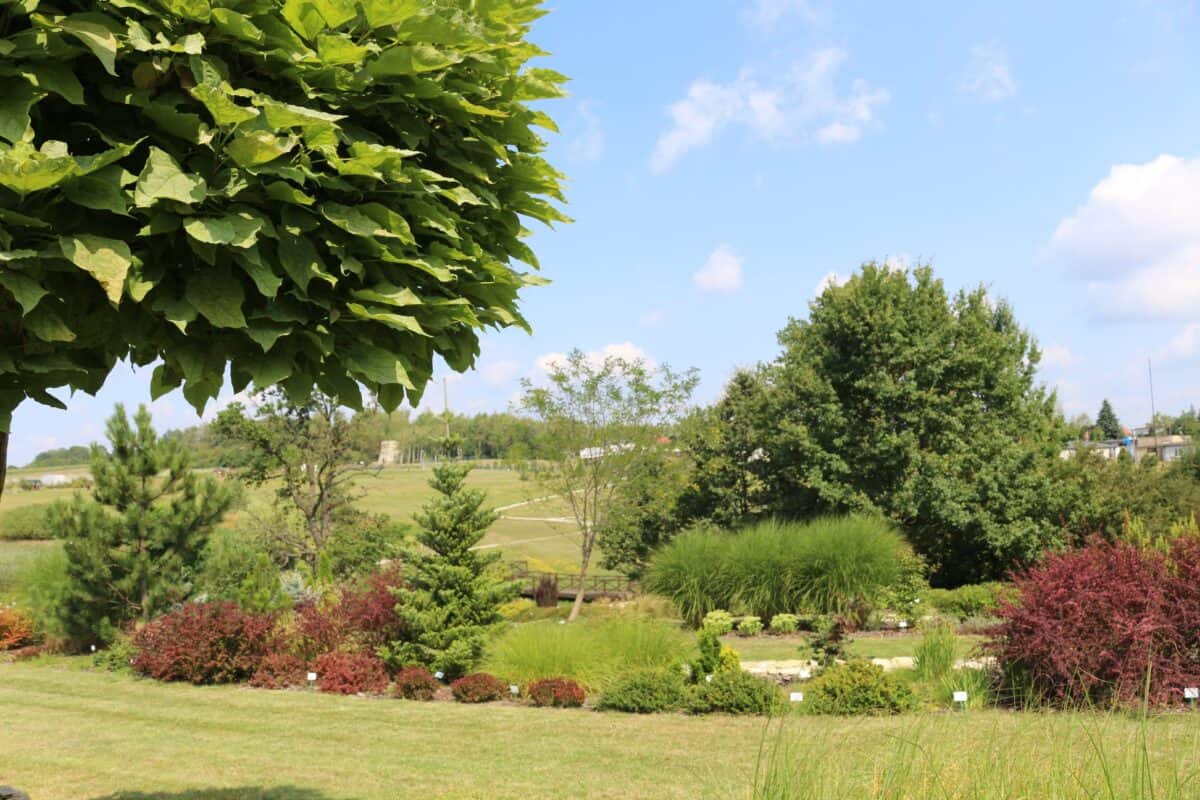
The Botanical Garden in Mikołów – the KATOWICE area
The Garden has two parts/entrances: Ogród Żólty/Yellow Garden (Sosnowa Street), Ogród Czerwony/Red Garden (Grudniowa Street). These two parts of the garden are connected by a forest path leading through Fiołkowa Góra (the Garden’s map).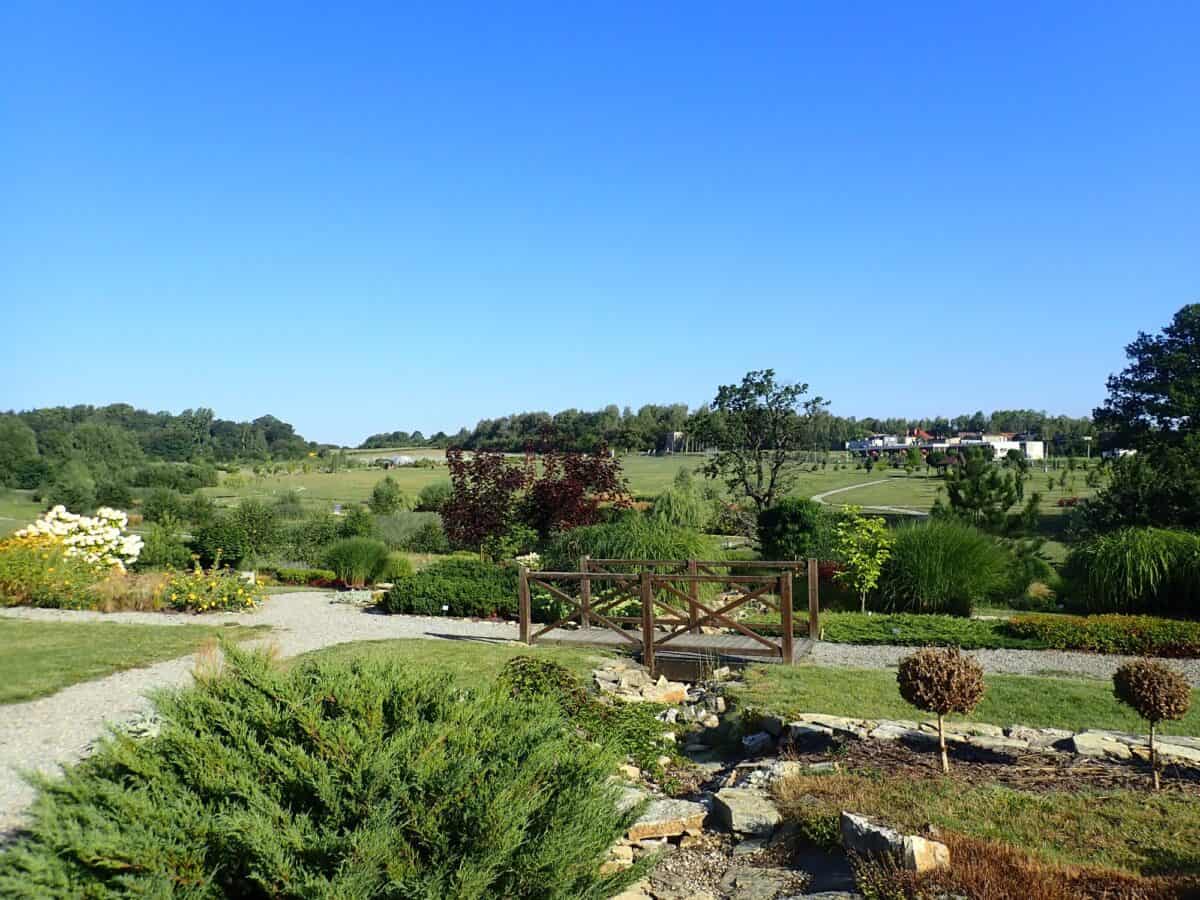
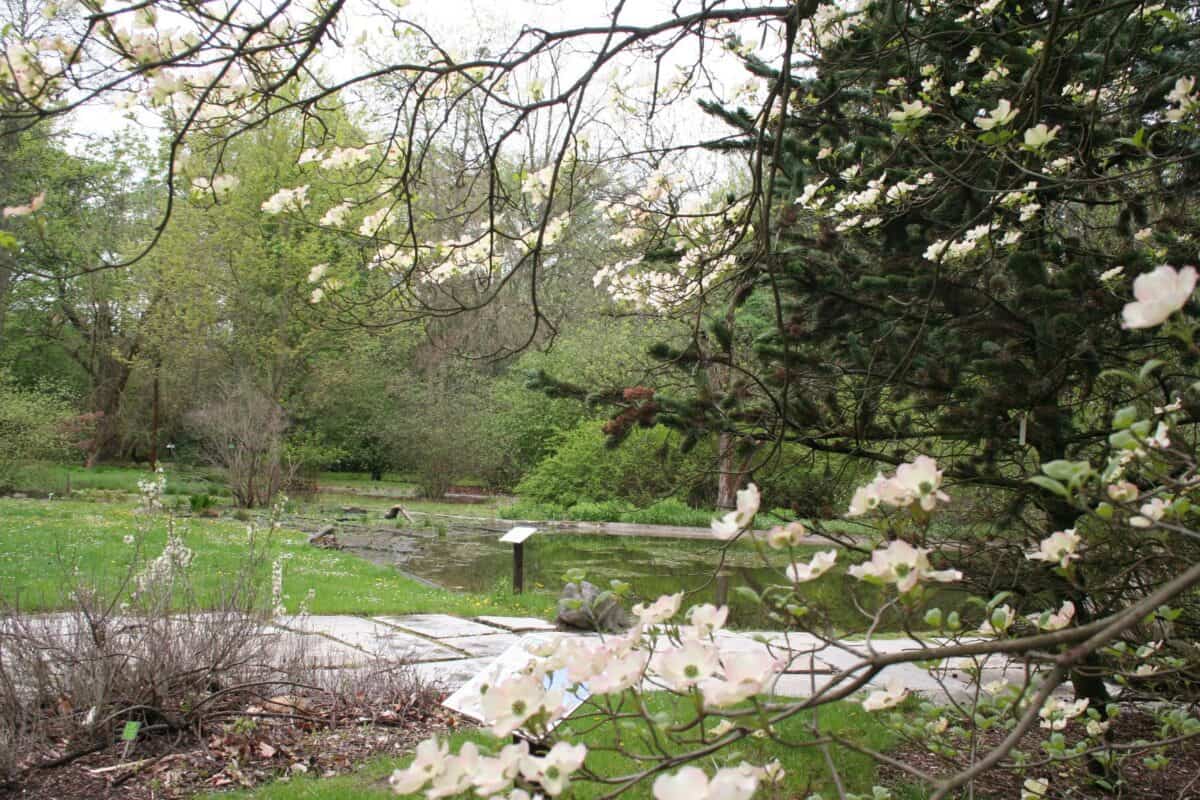
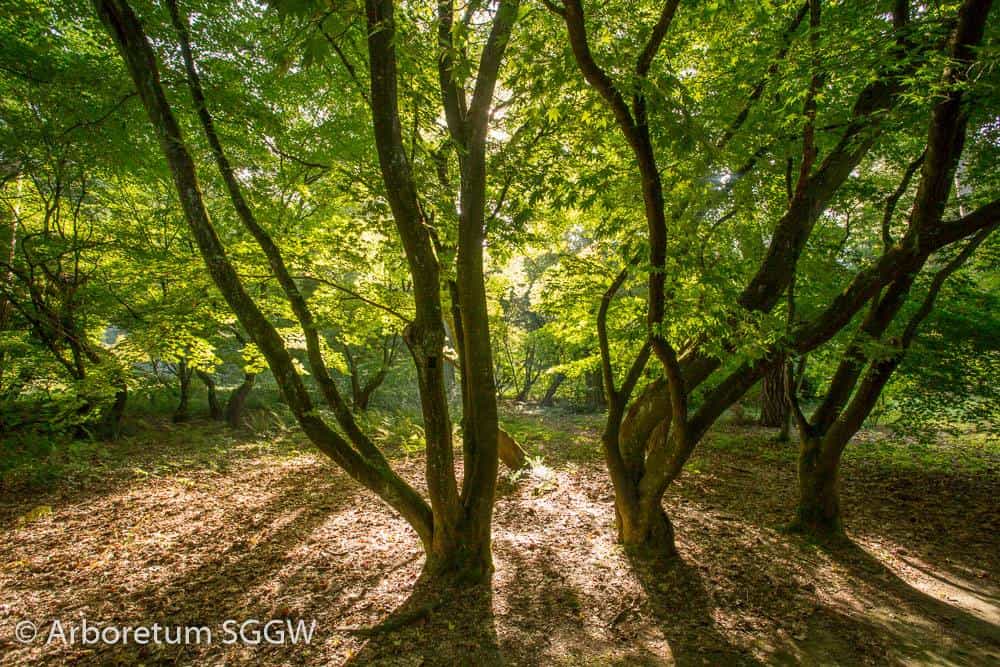
The Arboretum Forest Educational Center in Rogów, near ŁÓDŹ
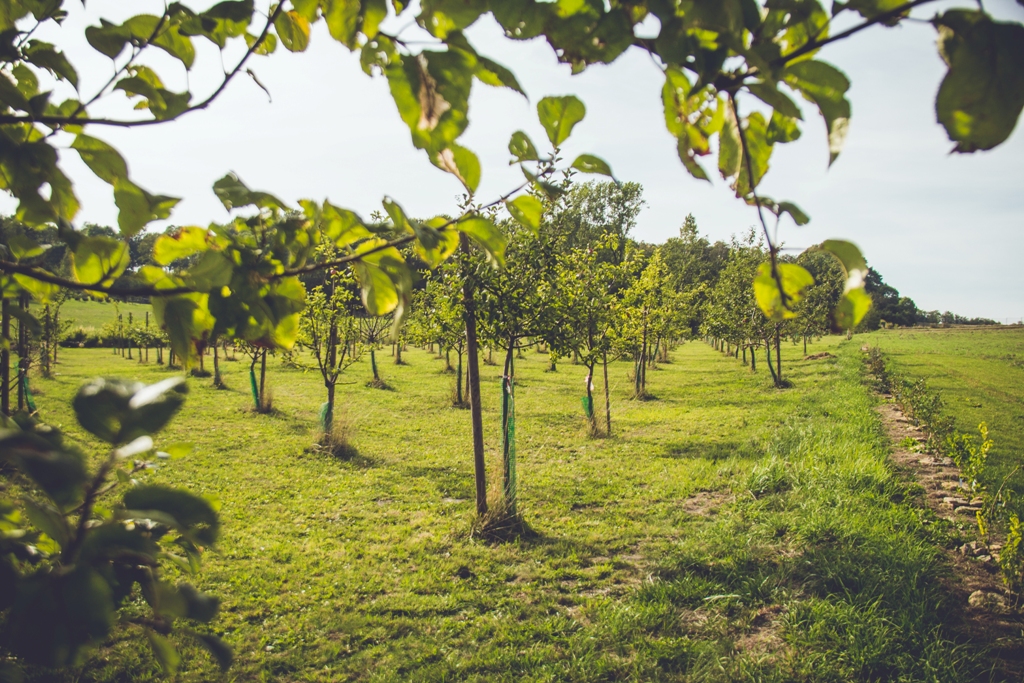
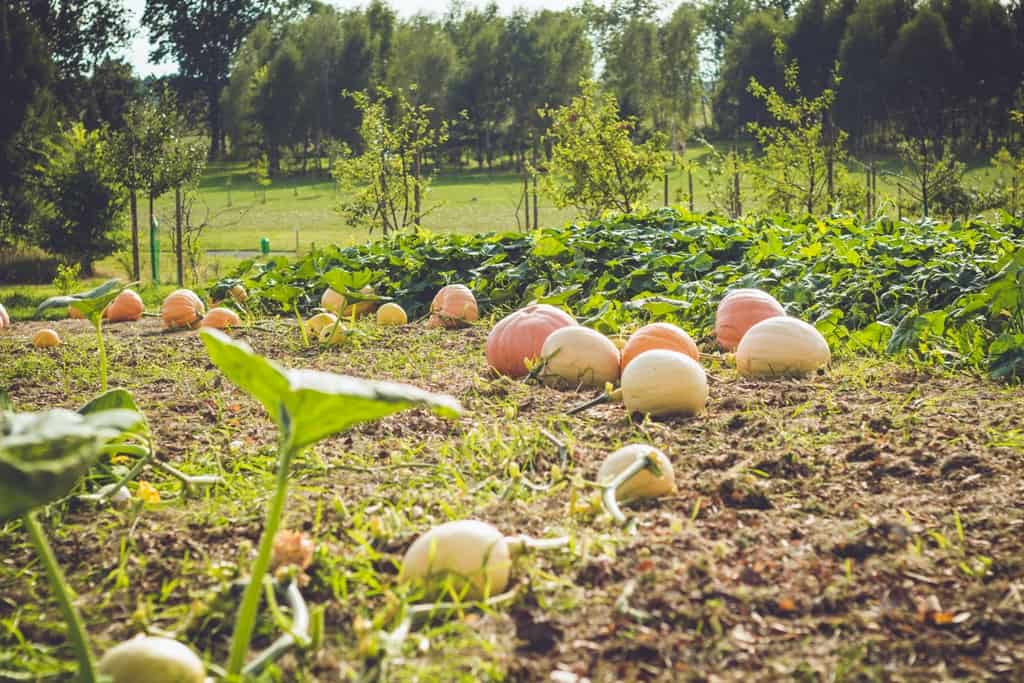
The Arboretum in Rogów has also one of the most valuable plant collections in Europe. It’s “a forest park”, located in the thinned-out area of the forest. You can admire there the collections of trees and shrubs of Central and Eastern Europe, protected, endangered, and rare plants, as well as “experimental” parts of the forest with foreign species and the Alpine Garden – the aplinarium.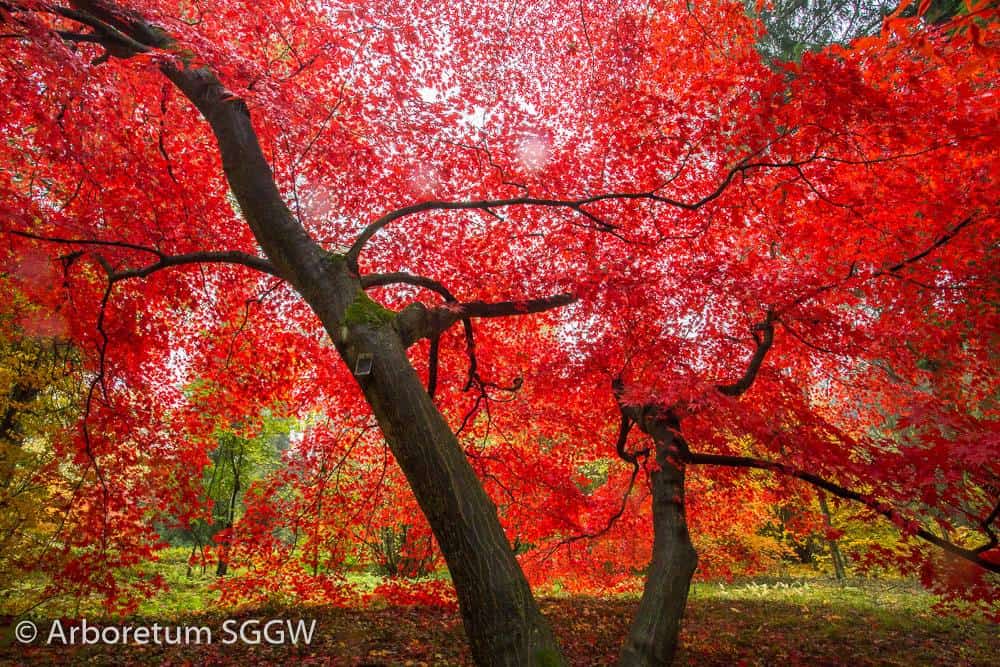
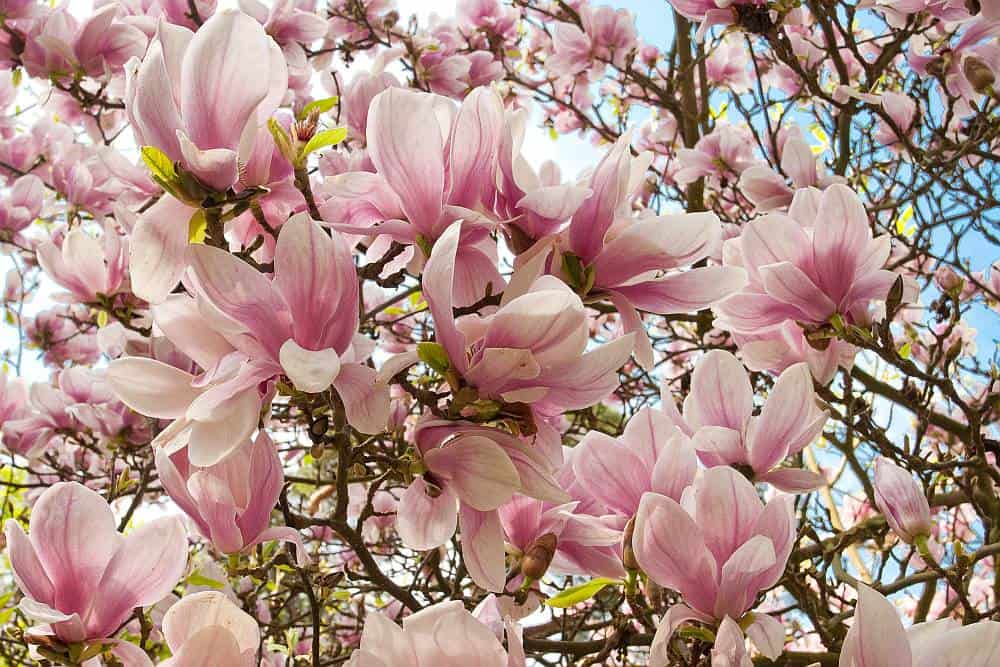
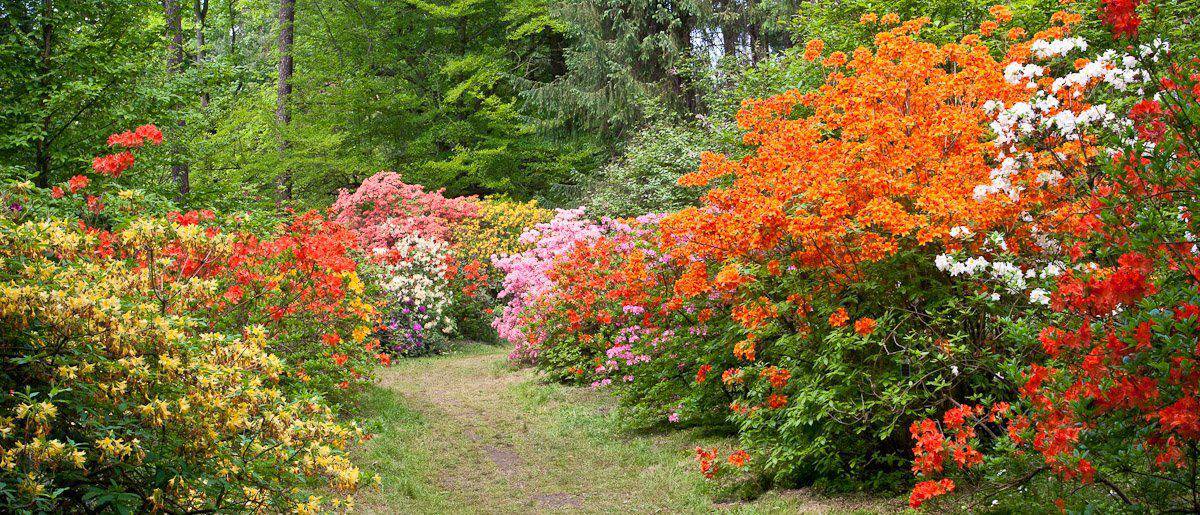
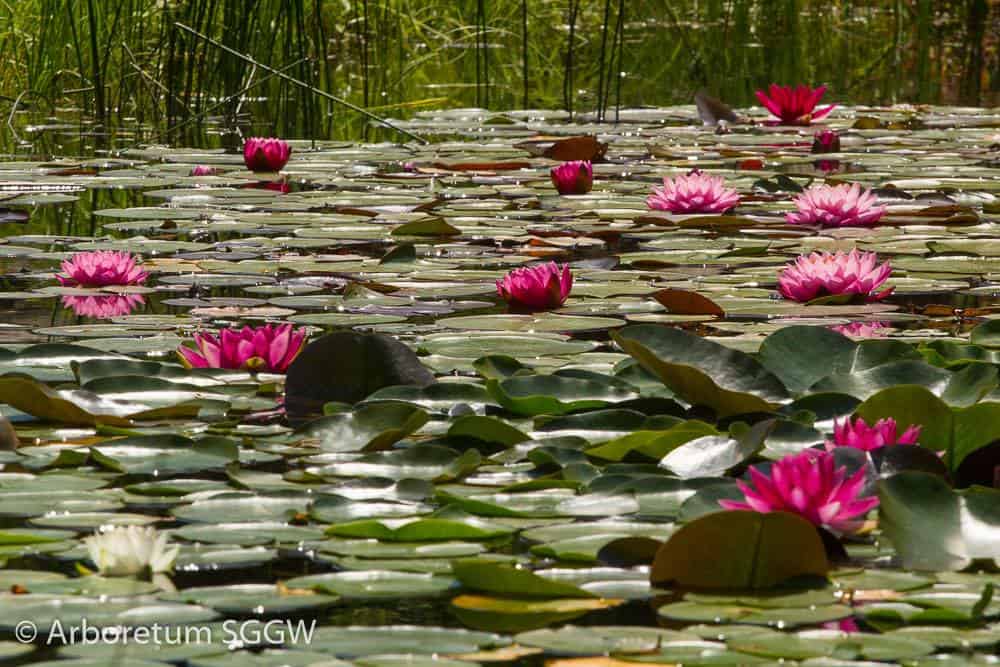
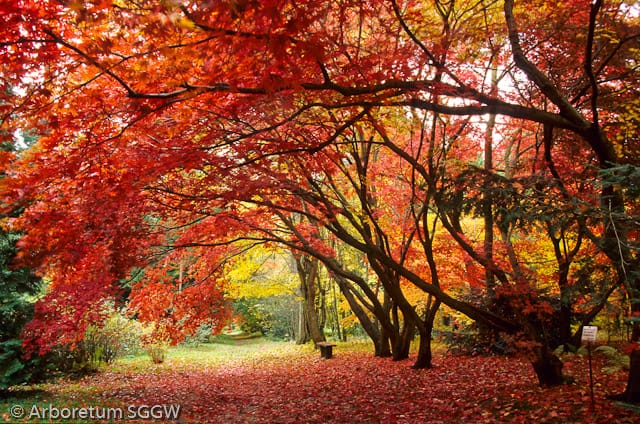
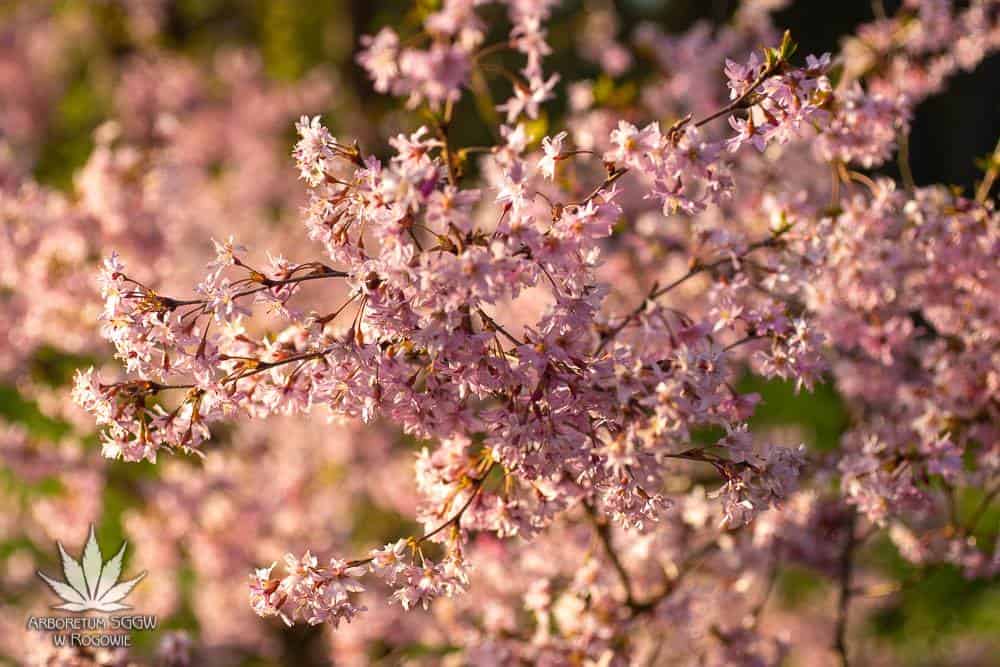
Click here to read our post about other beautiful botanical gardens in Poland to relax and appreciate nature’s beauty (lots of amazing photos!).
National parks in Poland to visit in April
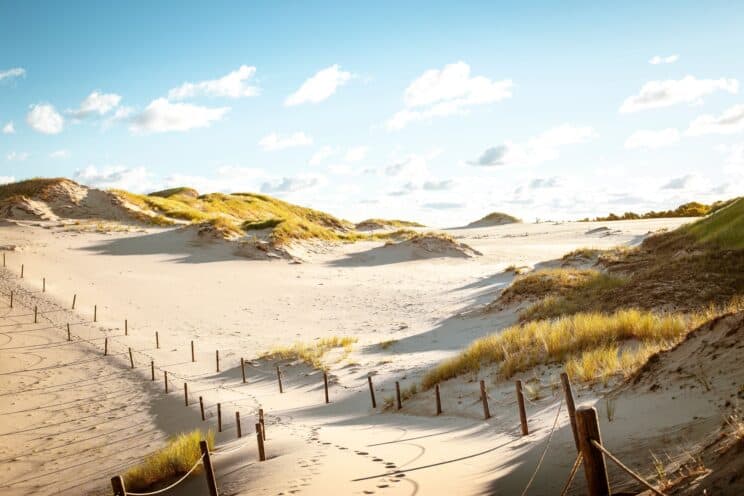
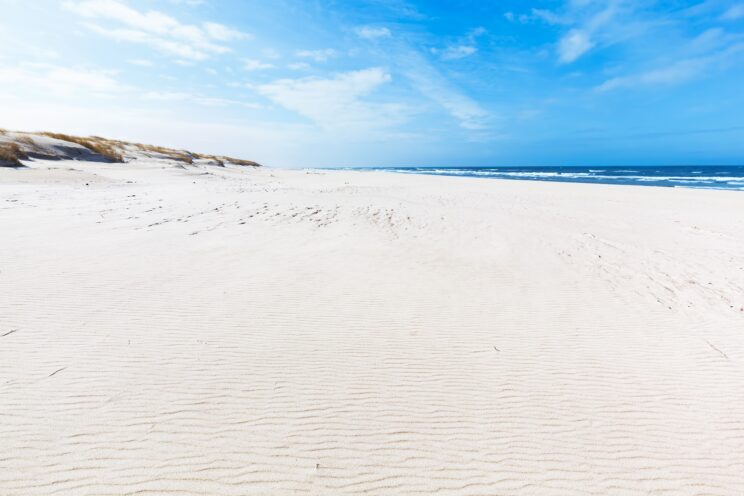
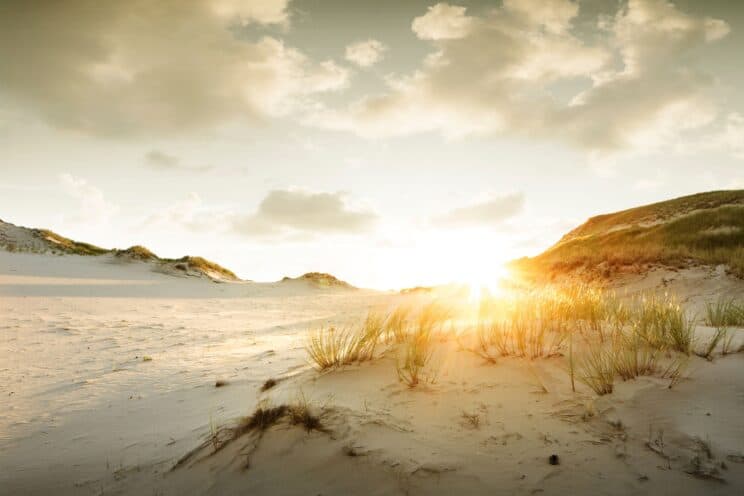
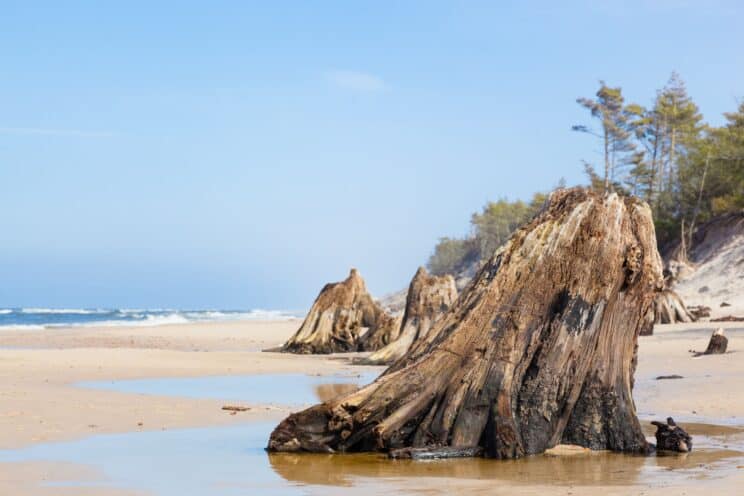
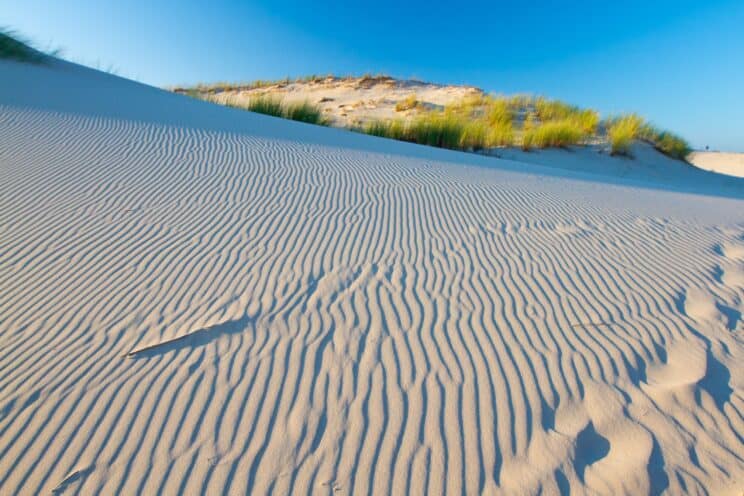
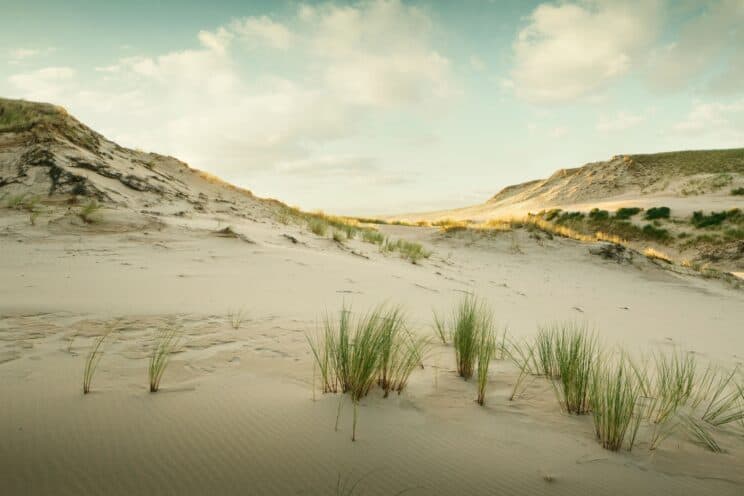
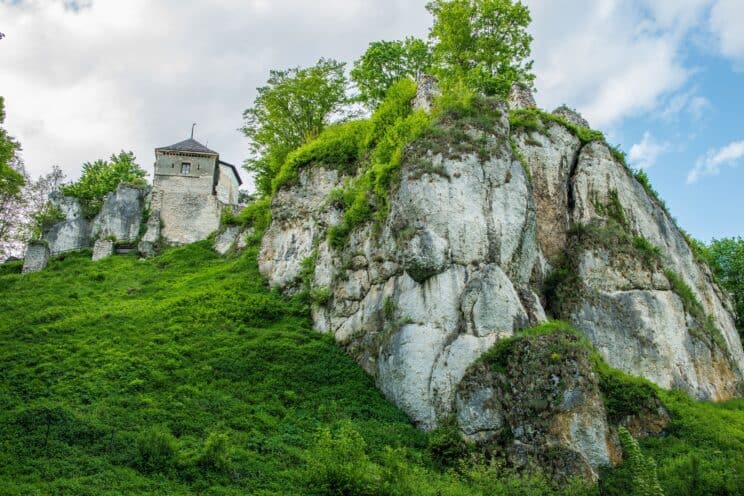
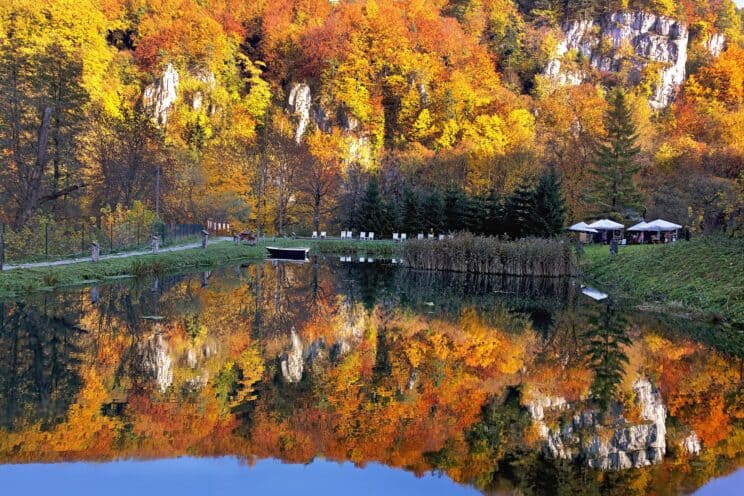
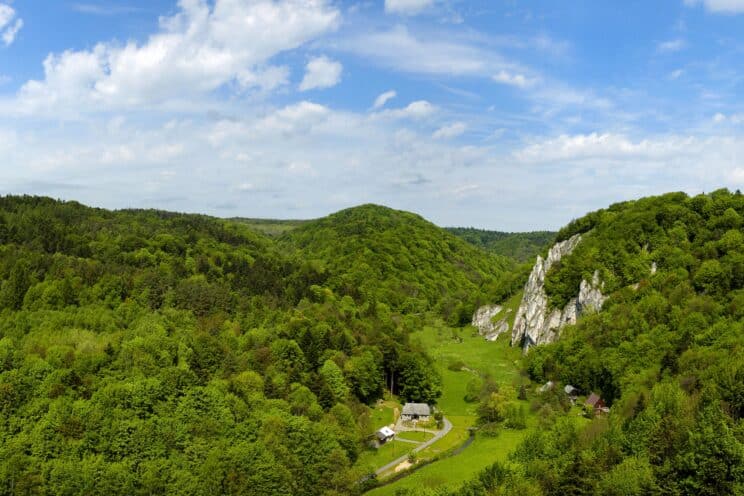
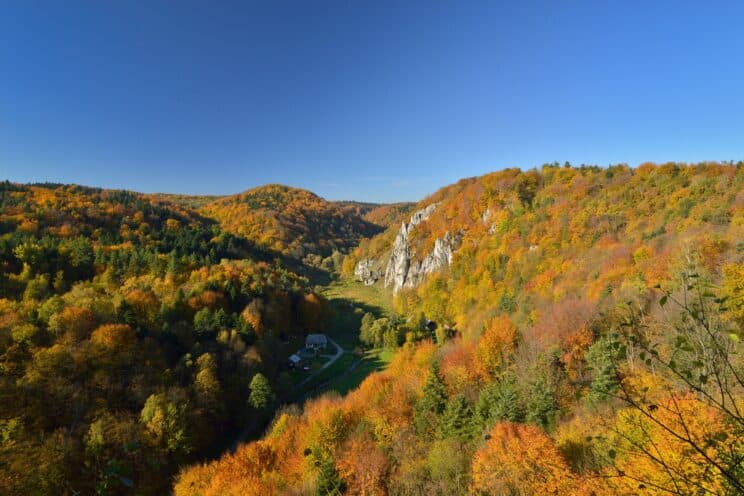
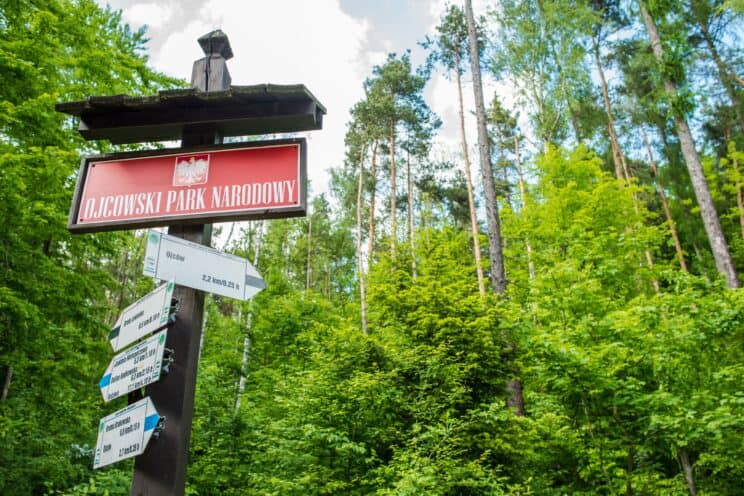
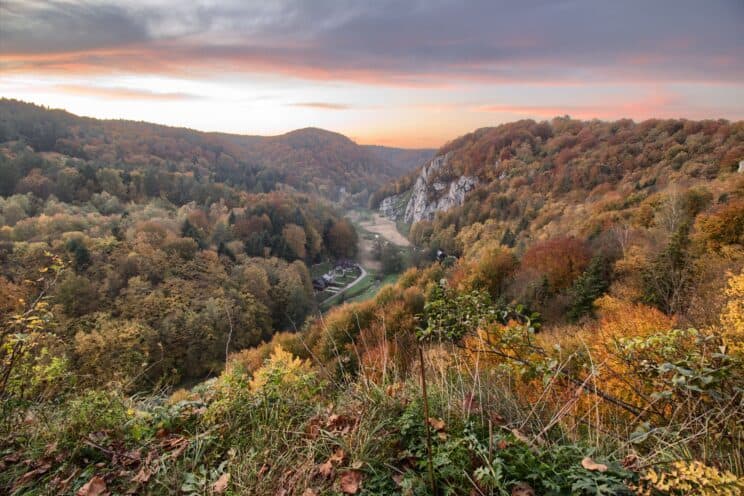
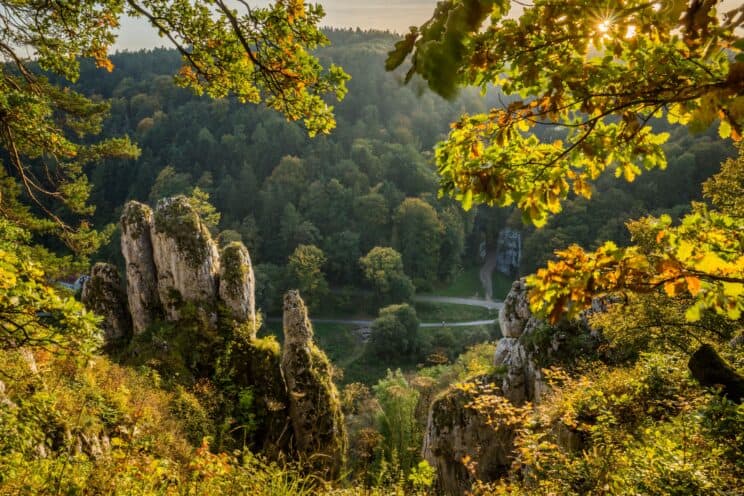
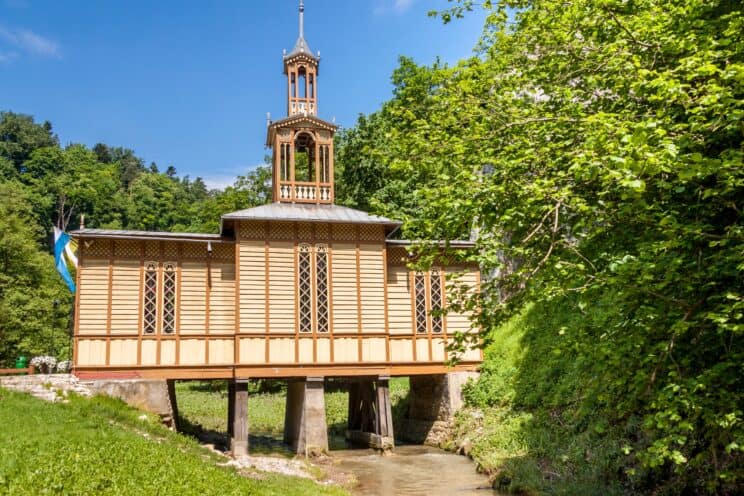
Find out more in our new post: National Parks in Poland.
Weather in Poland in April
Shopping Sunday and trade ban Sundays in Poland in April 2021
Dates to remember in Poland in April 2021
A day of pranks and jokes. Don’t trust anyone;) Including Polish media which also participates in the celebrations with lots of fabricated stories.
Good Friday commemorates the passion and crucifixion of Jesus. In major cities in Poland, there are processions on the streets – people carrying a huge cross and contemplating the passion of Jesus. In Poland, for many people, it’s a day of fasting – no meat, no parties, no alcohol.
People bring to churches baskets (called in Polish święconka) filled with food to get a special blessing. Baskets usually include eggs as a symbol of rebirth (pisanki – boiled eggs painted in various colors and patterns), bread, salt, sausage, sometimes other food – chocolate, cake, horseradish etc. Food from święconka basket is shared the next morning during festive Easter breakfast. Click here to learn more about Easter traditions in Poland.
A public/bank holiday in Poland. Easter Sunday commemorates the resurrection of Jesus. Many people in Poland start the day with 6 am morning mass (Rezurekcja) with a procession. The key event of a day – a family breakfast that starts with eating Święconka, then żurek soup (also known as white barszcz), bigos, sausage with horseradish, mazurek cake. Public institutions, stores, malls, shopping centers closed, only some smaller local convenience stores can be open and stores at gas stations. Click here to learn more about Easter traditions in Poland.
A public/bank holiday in Poland. Śmigus dyngus – an old tradition in Poland in which people use buckets (kids usually play with water guns) to soak each other with water. It’s safe to stay home on Wet Monday and avoid street water fights;) Another Easter Monday tradition is to beat legs with willow branches or Palms (the ones used for Palm Sunday). Public institutions, stores, malls, shopping centers closed, only some smaller local convenience stores can be open and stores at gas stations. Click here to learn more about Easter traditions in Poland.
The major celebrations of the anniversary of the uprising in the Jewish ghetto in Nazi-occupied Warsaw are held each year at the Monument to the Ghetto Heroes in Warsaw and POLIN Museum of the History of Polish Jews. POLIN Museum created the Daffodils (żonkile) Campaign to commemorate the Warsaw ghetto uprising. Every year on April 19th, hundreds of volunteers hand out paper daffodils to raise awareness of the uprising and its significance (Marek Edelman, the last leader of the Uprising, before he died in 2009, used to lay daffodils at the Monument to the Ghetto Heroes every anniversary). Click here to read our tips in English on visiting the POLIN Museum, and here to read about visiting the POLIN Museum with children. Click here to read more in English about the Warsaw Ghetto Uprising.Things you can’t miss in Poland in April
Go out of town to watch storks – the symbol of Poland (next to the eagle)
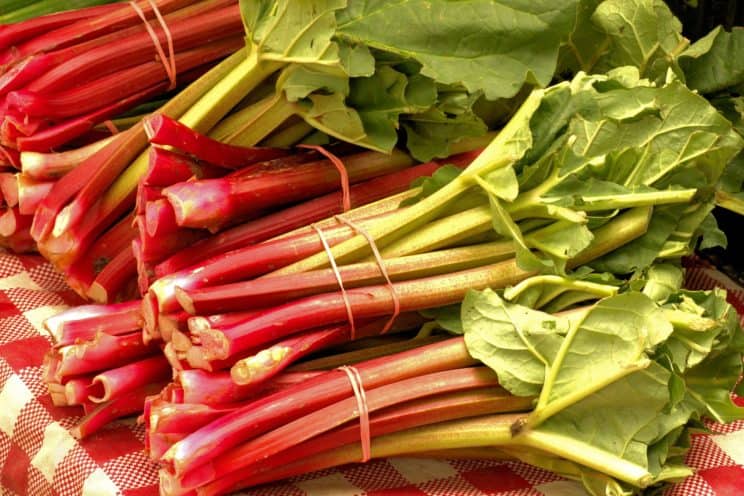
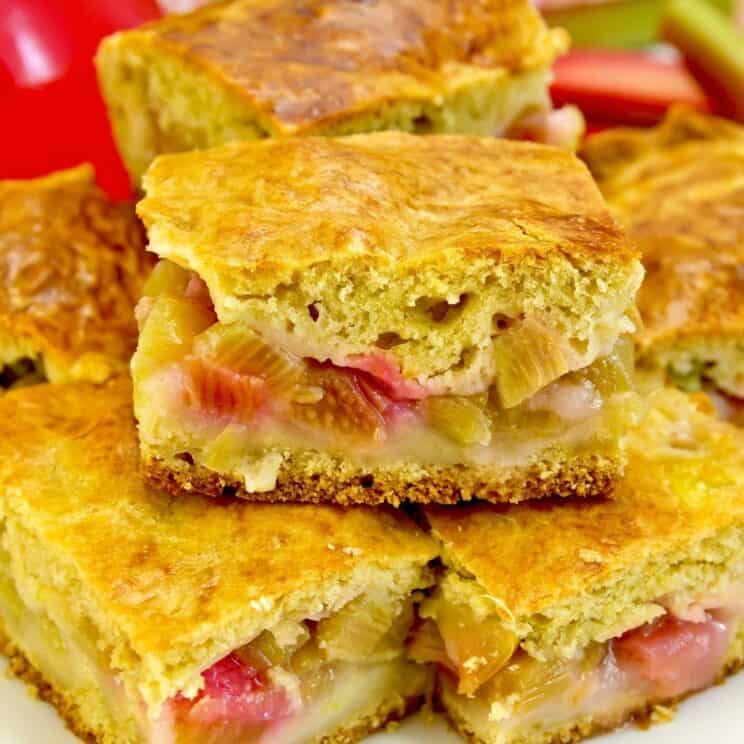
Try rhubarb compote or rhubarb pie


Fall in love with the colors of spring in Poland
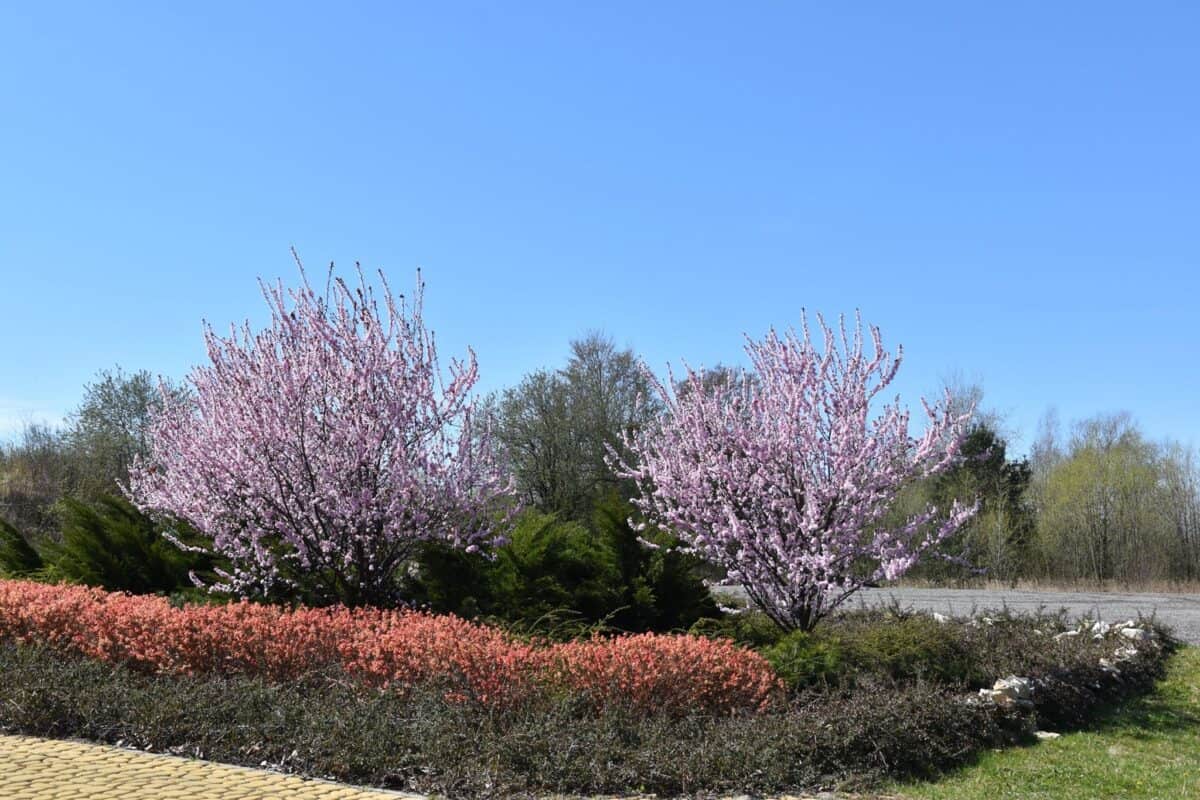
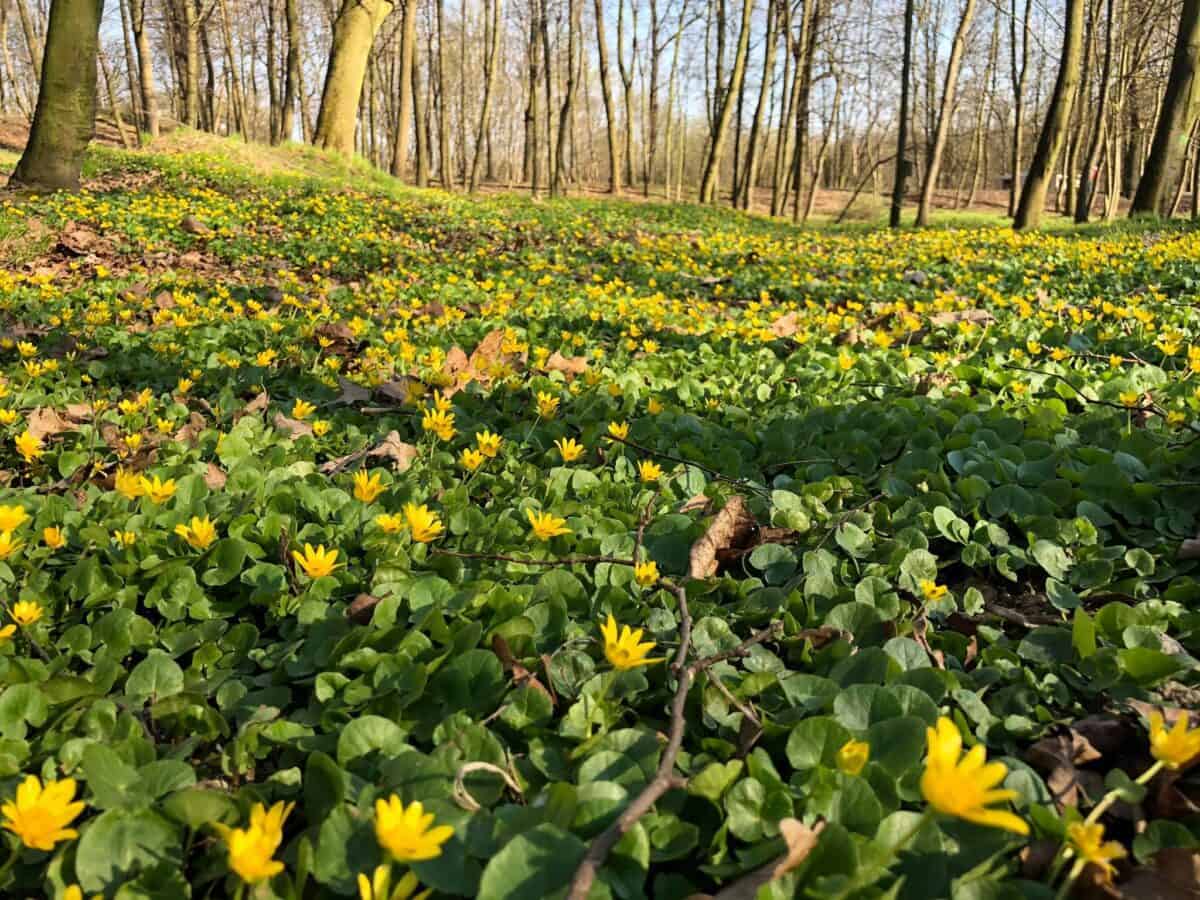
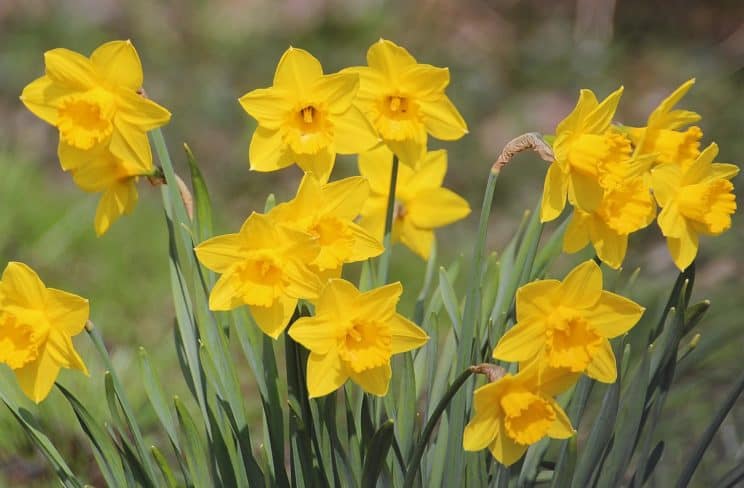
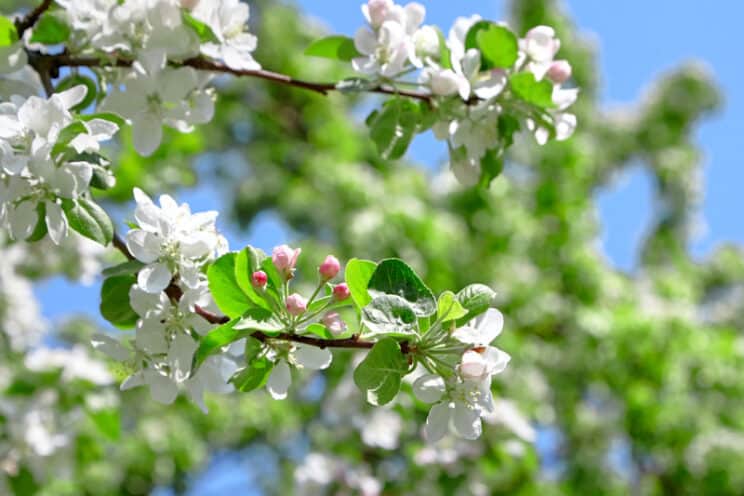
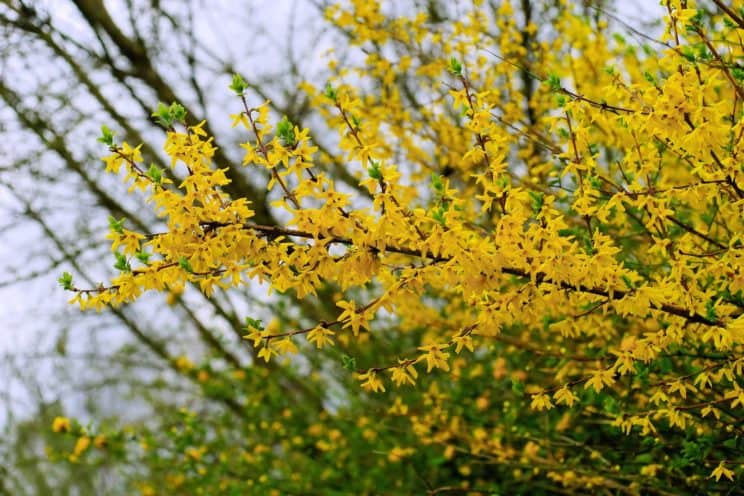
Daffodils (żonkil) are the flowers that are associated in Poland with the arrival of spring and Easter. Forsythia (forsycja) is another flowering plant in Poland in April (it is frost-resistant), very popular in Polish gardens and parks. Other April flowers include crocuses, primroses, hyacinths, violets, daisies, pansies, tulips. The queen of April flowers in Poland is sweet violet (fiołek). In the second half of April, the first fruit trees begin to bloom.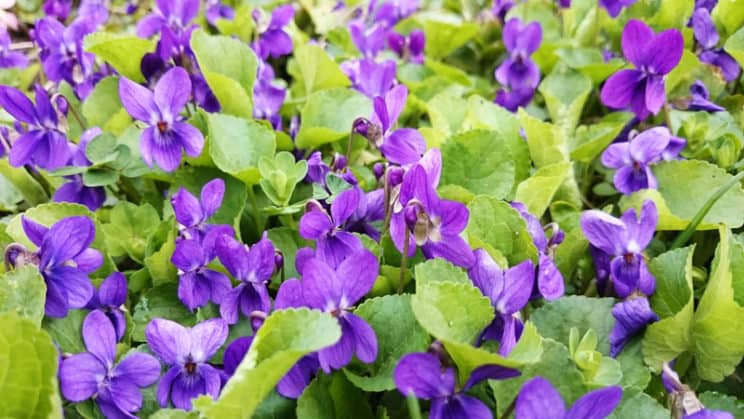
Covid restrictions & regulations in Poland in April
Changes in restrictions announced on April 21, 2021
Regulations for all voivodships in Poland until the end of April 2021
Differences in restrictions at the voivodeship level until the end of April 2021
The current status of covid vaccination in Poland
Click on the photos below to read other posts: